AMD Pushes $2,000 ‘Agent PC’ Built for AI
Most people already own a laptop or desktop computer, but AMD believes that in the near future, one machine may not be enough. The company is promoting a new category of hardware it calls an “Agent PC”—a dedicated system designed to run AI agents full‑time alongside your everyday computer.
PC
AllComputerss
3/15/20263 min read
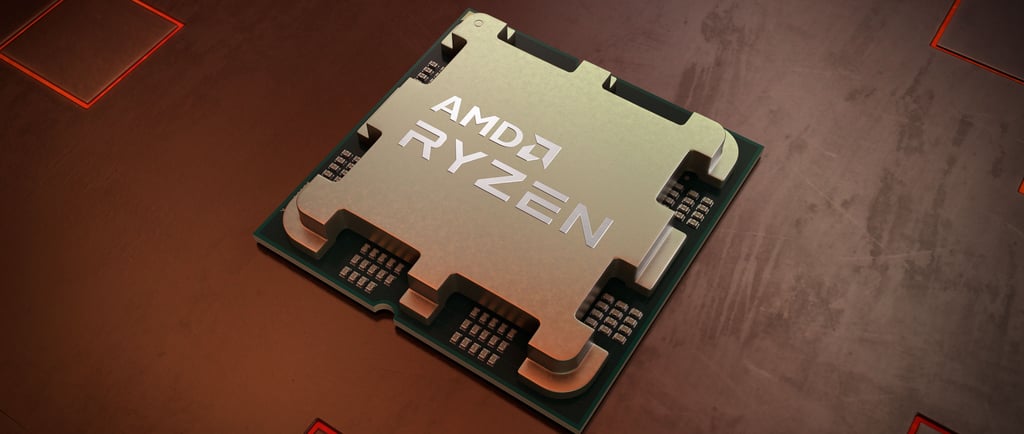
Most people already own a laptop or desktop computer, but AMD believes that in the near future, one machine may not be enough. The company is promoting a new category of hardware it calls an “Agent PC”—a dedicated system designed to run AI agents full‑time alongside your everyday computer.
This idea comes as AI platforms like OpenClaw gain traction, offering swarms of autonomous agents that can handle tasks ranging from research and scheduling to writing presentations and managing apps. AMD’s pitch is simple: your main PC should remain focused on traditional workloads, while a secondary Agent PC, powered by the Ryzen AI Max+ processor, takes on the heavy lifting of AI operations.
What Exactly Is an Agent PC?
AMD describes the Agent PC as “a new category of device built to run your AI agents full‑time. It can sit in your home or office, always on, always available, always working.” Unlike a traditional computer, which you actively operate, an Agent PC is meant to function in the background. You delegate tasks to it—whether through WhatsApp, Slack, or other apps—and the agents handle the work autonomously.
AMD emphasizes that this is a fundamental shift: “A personal computer runs your apps. An Agent Computer runs your agents so they can run the apps for you.”
Why Ryzen AI Max+?
AMD argues that its Ryzen AI Max+ chip is uniquely suited for this role. Systems built on this platform can support up to 128GB of memory, much of which can be configured as VRAM—ideal for AI workloads that demand massive parallel processing. By comparison, Apple’s popular Mac Mini tops out at 64GB of RAM, giving AMD a potential edge in raw capacity, at least until Apple refreshes its lineup.
To support adoption, AMD has even published a guide for running OpenClaw locally on its processors. The setup allows users to connect agents to services like Gmail, Spotify, or large language models, enabling them to operate independently. These agents can run in full system mode or in a sandboxed environment for added security.
The Cost Factor
The vision sounds futuristic, but it comes with a hefty price tag. A Ryzen AI Max+ desktop can cost upwards of $2,700 without storage, reflecting rising hardware prices across the industry. With RAM and storage costs climbing and IDC forecasting a slowdown in affordable PC availability, the idea of buying a second computer just for AI may feel unrealistic for average consumers.
For developers or enterprises with deep pockets, however, the appeal is clear. A local Agent PC offers privacy, control, and the ability to disconnect or reformat at will—advantages that cloud‑based AI services cannot always guarantee.
Challenges Ahead
Despite the promise, AMD faces hurdles. Setting up OpenClaw locally is possible with a single line of code, but AMD’s installation guide is lengthy and may intimidate non‑technical users. The company is presenting Agent PCs as a solution for everyone, yet the cost and complexity currently put them out of reach for most households.
There are also broader concerns about OpenClaw itself, from security implications to questions about how much autonomy users should grant their agents. For many, experimenting with a cheaper platform like a Raspberry Pi or waiting for the technology to mature may be a more practical path.
The Bigger Picture
AMD’s push for Agent PCs reflects a larger industry trend: the shift from traditional computing toward agentic AI systems that act on behalf of users. While cloud services remain dominant for AI art, chatbots, and large language models, the idea of a dedicated local AI machine is gaining traction as privacy and control become more important.
Whether Agent PCs become mainstream or remain a niche product for developers and enterprises will depend on how quickly costs come down and how user‑friendly the technology becomes. For now, AMD’s proposal feels more like a manifesto for the future of personal computing than a mass‑market pitch.
© 2026 AllComputerss. All rights reserved.