Apple steps in with UK age verification on iOS 26.4, as regulators punish Meta and Google
The debate over how much freedom young people should have online is intensifying, and Apple has just taken a bold step that could reshape the conversation. With the release of iOS 26.4 and iPadOS 26.4, Apple is rolling out mandatory age verification for iPhone and iPad users in the United Kingdom. T
PHONES
AllComputerss
3/26/20263 min read
The debate over how much freedom young people should have online is intensifying, and Apple has just taken a bold step that could reshape the conversation. With the release of iOS 26.4 and iPadOS 26.4, Apple is rolling out mandatory age verification for iPhone and iPad users in the United Kingdom. The timing is striking: the move comes only a day after Meta and Google were hit with massive fines in landmark child‑safety trials.
How Apple’s Age Verification Works
For UK users, the new system requires proof of age before certain actions can be taken with an Apple account. That proof can come in the form of a credit card registration or an ID scan, unless Apple has already confirmed the user’s age in the past. According to Apple, the verification process is “required by law in some countries and regions” for activities such as downloading apps, changing sensitive settings, or making account‑level changes.
Users who need to verify will see a prompt in the Settings menu, guiding them through the process. While this step isn’t currently mandated by UK law at the device level, it reflects growing pressure from regulators to enforce stricter age checks.
Why Now?
The UK has already introduced legislation requiring adult websites, particularly pornography sites, to verify the age of visitors. Until now, the responsibility has rested with the websites themselves. However, policymakers and child‑safety advocates have argued that device‑level verification could be more effective.
Apple’s decision may be a pre‑emptive move to align with future regulation. Reports suggest the company has been working closely with Ofcom, the UK’s communications regulator, to ensure compliance. With the government trialling restrictions on social media access for under‑16s, similar to laws already in place in Australia, Apple’s rollout could be seen as an effort to stay ahead of the curve.
What Happens If You’re Under 18?
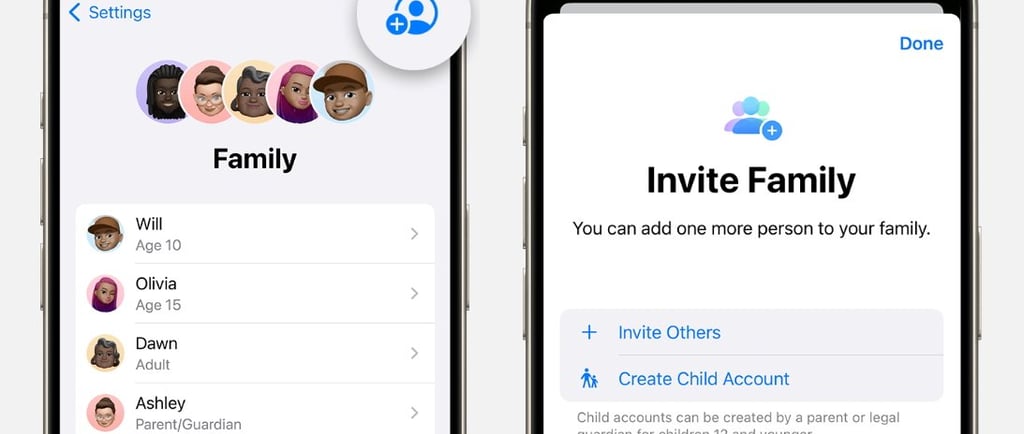
Apple’s support documentation leaves some ambiguity. If a user cannot verify adult status, certain features may be restricted. In some cases, minors may be asked to join a Family Sharing group managed by a parent or guardian. The exact limitations appear to vary depending on the account and device setup, suggesting Apple is leaving room for flexibility.
The Legal Backdrop: Meta and Google in Court
Apple’s announcement coincides with a wave of legal challenges against other tech giants. In Los Angeles, a jury recently ordered Meta and Google to pay $6 million to a young woman who argued that platforms like Facebook, WhatsApp, and YouTube had severely harmed her mental health. Her lawyers described these apps as “addiction machines,” claiming the companies failed to protect children from excessive screen time and harmful content.
Meanwhile, in New Mexico, Meta was separately fined $375 million for misleading users about child‑safety protections. The jury found that Meta had been aware of child predators on its platforms but had not done enough to block them. Both Meta and Google plan to appeal, with Meta insisting that teen mental health is “profoundly complex” and cannot be tied to a single app.
Reactions to Apple’s Move
Child‑protection groups and regulators have welcomed Apple’s age‑verification system as a step toward greater accountability. However, critics argue it could open the door to mass surveillance, with more personal data being collected and stored. Others believe the responsibility for monitoring children’s online activity should rest with parents, not device manufacturers.
The Bigger Picture
The momentum is clearly shifting toward stricter oversight of digital platforms. Between government legislation, high‑profile lawsuits, and growing public concern, tech companies are under pressure to prove they can safeguard younger users. Apple’s age‑verification rollout may be the first of many such measures, especially as AI bots and other emerging technologies raise new questions about online safety.
Final Thoughts
Apple’s move is both symbolic and practical. Symbolic, because it signals that one of the world’s largest tech companies is willing to take proactive steps in the child‑safety debate. Practical, because it introduces a mechanism that could become standard across devices in the near future. Whether this approach strikes the right balance between protection and privacy remains to be seen, but one thing is clear: the era of unchecked digital freedom for minors is coming to an end.
© 2026 AllComputerss. All rights reserved.