Apple’s iPhone 19e Expected in 2028 With Advanced LPTO OLED Display
Apple’s iPhone 19e may debut in 2028 with LTPO OLED ProMotion displays, bringing smoother visuals, better battery life, and premium features to budget models.
PHONES
AllComputerss
3/14/20264 min read
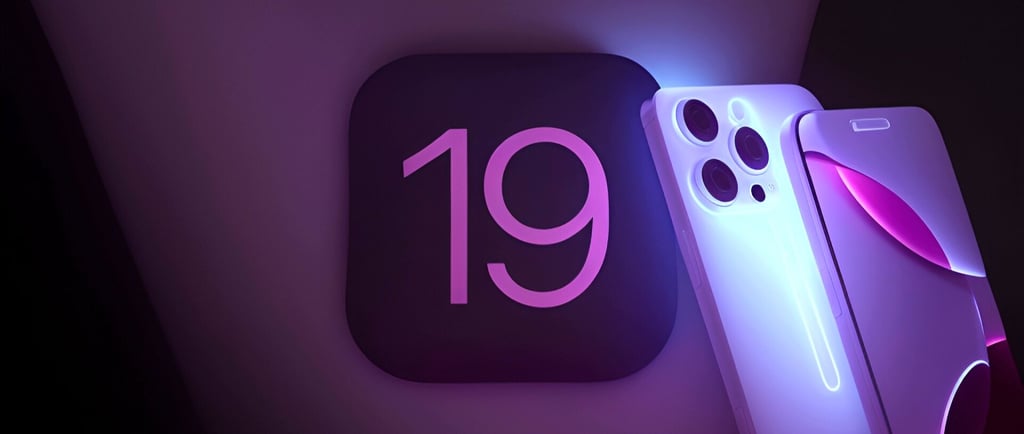

Apple has long maintained a clear divide between its premium iPhones and the more affordable entry‑level models. The Pro and Pro Max devices have consistently been the showcase for Apple’s most advanced technologies, while the budget‑friendly versions often lag behind in terms of display, camera, and performance features. That divide may be narrowing. Recent leaks suggest that the iPhone 19e, expected in 2028, could introduce one of the most significant upgrades ever seen in Apple’s budget lineup: the adoption of LTPO OLED panels with ProMotion technology.
This potential change is not just a minor tweak. It represents a fundamental shift in Apple’s strategy, signaling that the company may be ready to bring premium display experiences to a wider audience.
The Current State of Budget iPhones
Apple’s entry‑level iPhones have historically been defined by compromise. While they deliver the core iOS experience, they often lack the advanced features that make the Pro models stand out. The iPhone SE line, which Apple discontinued, was a prime example. It offered affordability but relied on older hardware and basic displays.
The iPhone “e” series, introduced with the iPhone 16e, was designed to modernize Apple’s budget approach. The iPhone 17e, released earlier this year, continues that trend but still uses LTPS OLED panels capped at 60Hz. This means that while the phone is functional, it lacks the smooth scrolling, fluid animations, and adaptive refresh rates that have become standard in premium devices.
What Makes LTPO OLED Different
LTPO, or Low‑Temperature Polycrystalline Oxide, is a display technology that allows for variable refresh rates. Unlike LTPS panels, which are locked at a fixed rate, LTPO panels can dynamically adjust between 1Hz and 120Hz depending on what is being displayed.
The benefits are substantial:
Smoother visuals: Scrolling through apps, playing games, and watching videos feels more fluid.
Battery efficiency: By lowering the refresh rate when displaying static content, LTPO panels conserve energy.
Always‑on display support: LTPO makes it possible to keep information visible without draining the battery.
Apple has reserved this technology for its Pro models since the introduction of ProMotion. Bringing it to the iPhone 19e would democratize the feature, making high refresh rate displays accessible to a much broader audience.
The Role of LTPO+ and CoE Technology
Leaks also point to Apple experimenting with LTPO+ panels, which use oxide materials for both switching and driving transistors. This next‑generation technology promises even greater efficiency and faster response times.
Another innovation under development is CoE, or Color Filter on Encapsulation. This reduces reflections and allows for thinner displays, improving both visual quality and device design.
While LTPO+ panels are expected to debut in flagship devices such as foldable iPhones and the rumored iPhone Air, standard LTPO panels could trickle down to the iPhone 19e. This trickle‑down strategy is consistent with Apple’s history of introducing advanced features in premium models before eventually making them available in budget devices.
Timeline and Roadmap
The leaks suggest a clear timeline for Apple’s display strategy.
iPhone 17e (2026): Uses LTPS OLED with 60Hz refresh rate.
iPhone 18e (2027): Expected to maintain the same display specification.
iPhone 19e (2028): Rumored to adopt LTPO OLED with ProMotion technology.
This three‑year cycle aligns with Apple’s typical approach to upgrading its entry‑level devices. The iPhone 19e would therefore represent a major leap forward, introducing features that have been exclusive to Pro models for years.
Why This Matters for Consumers
For consumers, the adoption of LTPO OLED in the iPhone 19e would be transformative.
Accessibility: High refresh rate displays would no longer be limited to expensive Pro models.
Value: Budget iPhones would deliver a premium experience at a lower cost.
Battery life: Adaptive refresh rates would improve efficiency, making devices last longer on a single charge.
This shift could also change consumer expectations. If budget iPhones offer Pro‑level displays, buyers may no longer feel compelled to spend extra on premium models solely for smoother visuals.
Industry Implications
Apple’s rumored move reflects broader trends in the smartphone industry. Competitors such as Samsung and Xiaomi have already introduced high refresh rate displays in mid‑range devices. By bringing LTPO OLED to the iPhone 19e, Apple would align its budget lineup with industry standards while maintaining its reputation for quality.
This could also pressure rivals to innovate further, raising the bar for what consumers expect from affordable smartphones. The result would be a more competitive market where advanced features become mainstream rather than exclusive.
Potential Challenges
While the leaks are exciting, there are challenges to consider. Mass production of LTPO panels is complex and costly. Apple previously considered adopting LTPO+ technology earlier but reportedly delayed the move due to production difficulties. Ensuring that LTPO panels can be manufactured at scale for budget devices will be critical.
There is also ambiguity about the exact specifications. For example, the iPhone 13 Pro introduced ProMotion with a variable refresh rate between 10Hz and 120Hz, while the iPhone 14 Pro improved this range to 1Hz to 120Hz. It remains unclear which version of LTPO OLED Apple would use in the iPhone 19e.
Conclusion
The iPhone 19e leaks suggest that Apple is preparing one of the most significant upgrades in the history of its budget lineup. By introducing LTPO OLED panels with ProMotion technology, Apple would bridge the gap between entry‑level and premium devices, offering smoother visuals, better battery life, and always‑on display support.
While the upgrade is not expected until 2028, the implications are profound. For consumers, it means that future budget iPhones may no longer feel like compromises. For Apple, it represents a strategic shift toward making advanced features more accessible.
If these leaks prove accurate, the iPhone 19e could become a landmark device, redefining what it means to be a budget iPhone and setting a new standard for the industry.
References:
© 2026 AllComputerss. All rights reserved.