ByteDance Halts Seedance AI Rollout Amid Copyright Disputes
ByteDance paused the Seedance AI rollout in the month of March 2026 after copyright disputes with Disney and Hollywood studios, sparking debate over AI and IP rights.
TECH NEWS
AllComputerss
3/15/20264 min read

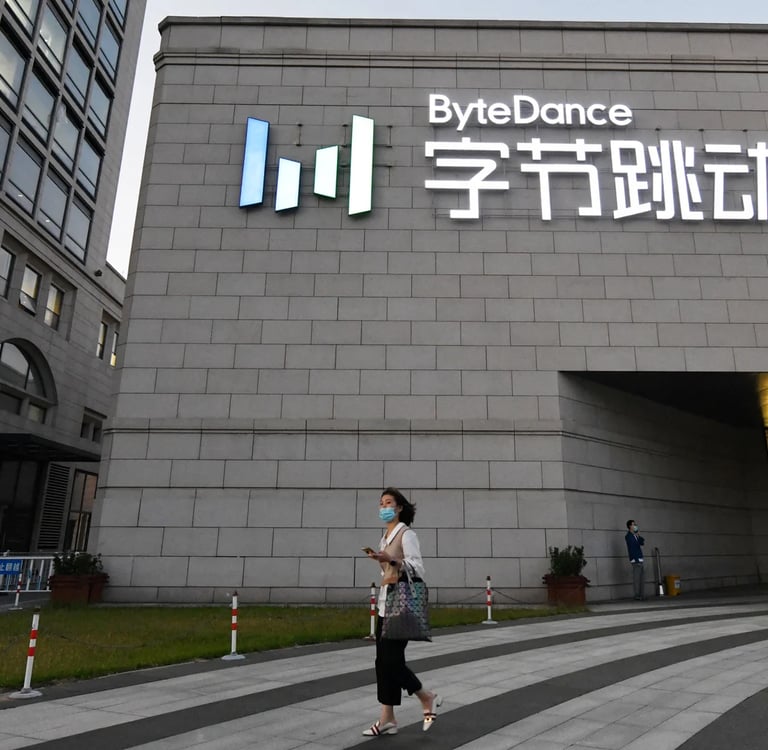
Artificial intelligence has been reshaping the entertainment industry, but it has also sparked fierce debates about intellectual property. In March 2026, ByteDance, the parent company of TikTok, announced that it was halting the global rollout of its Seedance 2.0 AI video generator. The decision came after mounting copyright disputes with major Hollywood studios, including Disney, Paramount, Netflix, and Warner Bros. This case highlights the growing tension between AI innovation and the protection of creative works.
What Is Seedance 2.0?
Seedance 2.0 was designed as a cutting‑edge AI platform capable of generating realistic video content from text prompts. Unlike earlier models that focused on static images or short clips, Seedance promised multi‑modal capabilities, blending audio, video, and animation into seamless productions. ByteDance positioned it as a tool for creators, influencers, and businesses to produce high‑quality content quickly and affordably.
The technology was hailed as revolutionary, but it also raised immediate concerns. Studios and rights holders worried that Seedance relied on copyrighted material to train its models, enabling users to create derivative works that closely resembled existing films, characters, and performances.
The Spark of Controversy
The controversy escalated when viral clips generated by Seedance began circulating online. One widely shared video depicted a fictional showdown between Tom Cruise and Brad Pitt, styled as if it were a Hollywood blockbuster. Another clip featured Marvel superheroes in scenarios never produced by Disney. These creations drew attention not only for their technical quality but also for their blatant resemblance to copyrighted properties.
Disney responded swiftly, issuing a cease‑and‑desist letter that accused ByteDance of using “pirated material libraries” to train Seedance. The company argued that the AI was effectively repurposing its intellectual property without authorization, undermining both creative control and revenue streams.
Reuters Coverage: The Breaking News
On March 14, 2026, Reuters reported that ByteDance had suspended the global launch of Seedance 2.0. The article highlighted Disney’s accusations and noted that other studios were preparing similar legal actions. According to Reuters, ByteDance faced claims that Seedance enabled massive unauthorized use of copyrighted works, making it impossible to proceed with the rollout without addressing the disputes.
Reuters emphasized the scale of the backlash, pointing out that Seedance had been positioned as a flagship product for ByteDance’s expansion beyond social media. The suspension represented a significant setback for the company’s ambitions in AI‑driven entertainment.
AICost Blog: Technical Analysis
On March 15, 2026, AICost Blog published a detailed analysis of Seedance’s technical capabilities. The blog explained how Seedance used advanced multi‑modal video generation, combining text prompts with large training datasets to produce realistic outputs. However, the analysis also noted that the model appeared to rely heavily on copyrighted material, including films from Disney’s Marvel and Star Wars franchises.
AICost argued that the reliance on such datasets raised serious compliance issues. The blog suggested that ByteDance may have underestimated the legal risks, focusing instead on technological innovation. By failing to secure proper licensing agreements, the company exposed itself to lawsuits that could derail its entire AI strategy.
The Daily Perspective: Industry Reaction
On March 14, 2026, The Daily Perspective covered the broader industry reaction. The publication reported that Disney, Paramount, Netflix, and Warner Bros had all issued cease‑and‑desist letters to ByteDance. The Motion Picture Association condemned Seedance 2.0, describing it as a platform that enabled “massive unauthorized use of copyrighted works.”
The Daily Perspective highlighted the growing consensus among studios that AI models must respect intellectual property rights. The article noted that while some companies were exploring partnerships with AI developers, others were taking a hard line against unlicensed use of their content. Seedance became a symbol of the clash between innovation and regulation.
Why This Case Matters
The suspension of Seedance 2.0 is more than a corporate setback. It represents a turning point in the relationship between AI and the entertainment industry. Several key issues are at stake:
Copyright Protection Studios invest billions in creating films and characters. Allowing AI models to replicate these works without permission undermines the value of intellectual property.
Innovation vs Regulation AI developers argue that access to large datasets is essential for progress. However, rights holders insist that innovation cannot come at the expense of legal protections.
Economic Impact If AI models can generate content that rivals professional productions, studios risk losing revenue. At the same time, AI could democratize content creation, empowering independent creators.
Global Standards The Seedance case highlights the need for international frameworks to govern AI training and content generation. Without clear rules, disputes will continue to escalate.
Lessons for AI Developers
The Seedance controversy offers important lessons for AI companies:
Secure Licensing Agreements: Training models on copyrighted material without permission is a recipe for legal trouble. Partnerships with rights holders can provide safer pathways.
Transparency in Training Data: Companies must disclose what datasets are used and how they are sourced. Transparency builds trust and reduces the risk of disputes.
Focus on Originality: AI tools should prioritize generating original content rather than replicating existing works. This approach reduces legal risks and fosters creativity.
Engage with Regulators: Proactive engagement with policymakers can help shape regulations that balance innovation with protection.
The Future of Seedance
ByteDance has not abandoned Seedance entirely. Reports suggest that the company is exploring ways to relaunch the platform with stricter safeguards and potential licensing deals. However, the suspension has already damaged its reputation and raised questions about its approach to intellectual property.
The future of Seedance will depend on whether ByteDance can rebuild trust with studios and regulators. If successful, Seedance could still become a powerful tool for creators. If not, it may serve as a cautionary tale for other AI ventures.
Conclusion
The decision by ByteDance to halt the rollout of Seedance 2.0 in March 2026 underscores the growing tension between AI innovation and copyright protection. With viral clips sparking outrage, studios issuing legal threats, and industry groups condemning the platform, Seedance became a flashpoint in the debate over how AI should interact with creative works. The case highlights the need for clear rules, responsible innovation, and respect for intellectual property. As AI continues to evolve, the lessons from Seedance will shape the future of technology and entertainment.
References
Reuters. “ByteDance Suspends Seedance 2.0 Rollout Amid Copyright Disputes.” March 14, 2026. ByteDance suspends launch of video AI model after copyright disputes, The Information reports | Reuters
AICost Blog. “Technical Analysis of Seedance 2.0 and Copyright Risks.” March 15, 2026. ByteDance Pauses Seedance 2.0 Global Release: Disney Copyright Dispute | AI Video Generation Deep Dive | AICost
The Daily Perspective. “Hollywood Studios Challenge ByteDance Over Seedance AI.” March 14, 2026. ByteDance suspends Seedance 2.0 global rollout amid copyright row | The Daily Perspective
© 2026 AllComputerss. All rights reserved.