Encyclopedia Britannica Takes OpenAI to Court Over AI Training Data
Explore the landmark March 2026 lawsuit where Encyclopedia Britannica and Merriam Webster took OpenAI to court over alleged misuse of training data. Learn about the copyright and trademark claims, the technical debate around retrieval augmented generation
TECH NEWS
AllComputerss
3/15/20264 min read
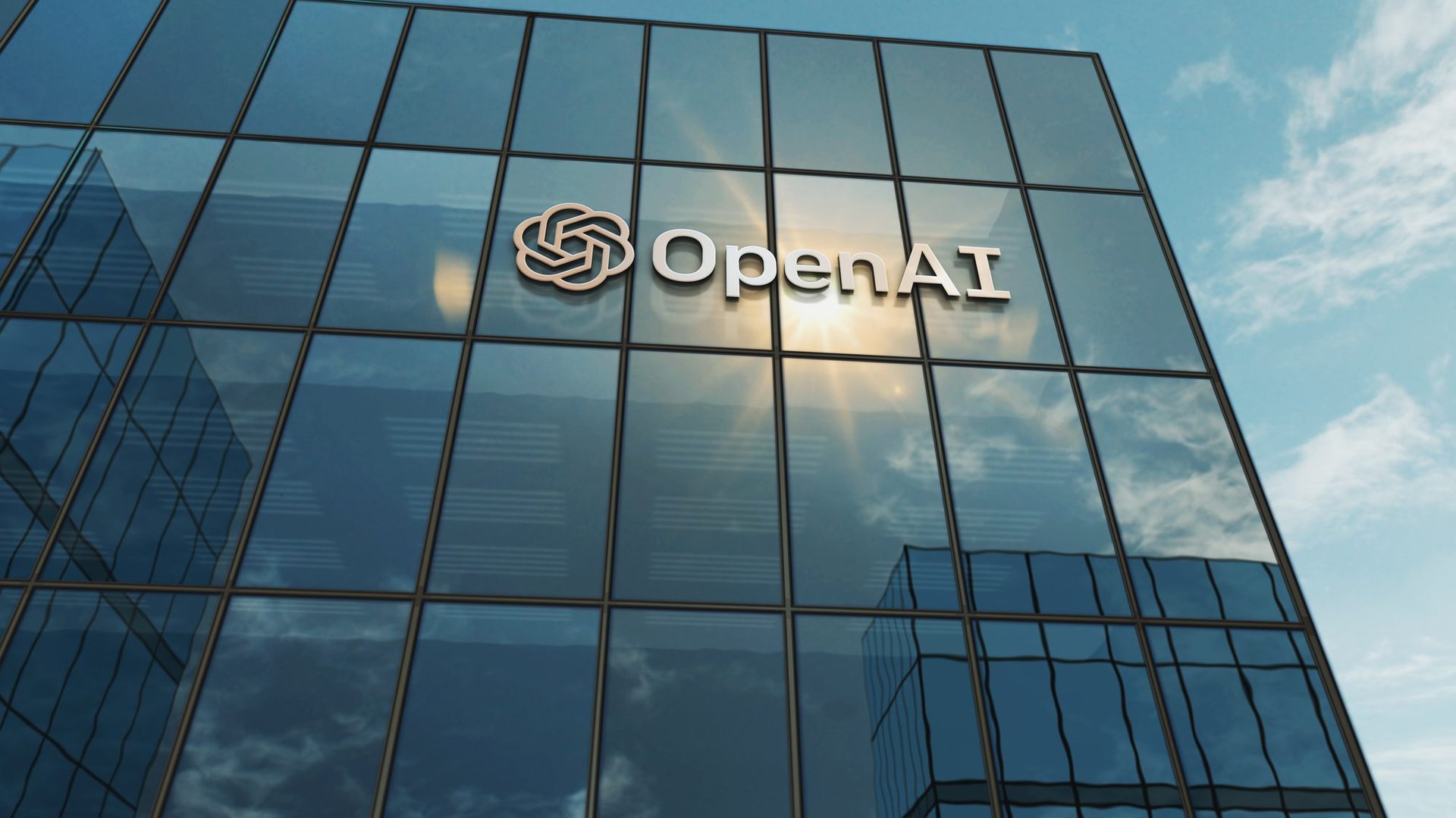

Artificial intelligence has transformed the way we access information, but it has also raised profound questions about ownership, intellectual property, and fairness. In March 2026, one of the most respected names in knowledge publishing, Encyclopedia Britannica, along with its sister brand Merriam Webster, filed a lawsuit against OpenAI. The case quickly became a focal point in the ongoing debate about how AI systems are trained and whether they can legally use copyrighted material without explicit permission.
This article explores the background of the lawsuit, the arguments presented, the broader implications for the tech industry, and what this means for the future of AI and publishing.
The Background: Britannica vs OpenAI
For centuries, Encyclopedia Britannica has been synonymous with reliable knowledge. Its carefully curated articles and dictionary entries have been trusted by students, educators, and professionals worldwide. In the digital era, Britannica adapted by offering online access to its vast library of content. However, in March 2026, Britannica claimed that OpenAI had crossed a line.
According to the lawsuit filed in Manhattan federal court, OpenAI allegedly copied nearly 100,000 articles and dictionary entries from Britannica and Merriam Webster to train its AI models, including ChatGPT. Britannica argued that this practice amounted to copyright infringement and trademark violation. The company accused OpenAI of “cannibalizing” its web traffic by producing responses that closely mirrored Britannica’s original content, thereby reducing the incentive for users to visit Britannica’s own platforms.
The Reuters Report: Mainstream Coverage
Reuters reported on March 16, 2026, that Britannica’s complaint centered on the unauthorized use of its intellectual property. The lawsuit alleged that OpenAI’s models generated near‑verbatim copies of Britannica’s articles and dictionary definitions. Britannica claimed that this not only infringed on copyright but also harmed its brand reputation by creating confusion among users who believed they were reading Britannica’s official content.
Reuters highlighted the scale of the accusation, noting that Britannica’s lawyers described OpenAI’s actions as a systematic attempt to exploit the publisher’s work without compensation. The report emphasized that this case could set a precedent for how courts view the use of copyrighted material in AI training.
The Computing Analysis: Technical Dimensions
On March 17, 2026, Computing, a UK technology outlet, provided a deeper look into the technical aspects of the case. The article focused on retrieval augmented generation (RAG), a method used by AI systems to pull information from external sources in real time. Britannica argued that OpenAI had improperly incorporated its content into this process, allowing ChatGPT to deliver responses that appeared to be drawn directly from Britannica’s database.
Computing explained that Britannica’s complaint went beyond simple copying. The company claimed that OpenAI’s use of RAG blurred the line between original content and AI‑generated responses, effectively embedding Britannica’s intellectual property into the AI’s functionality. This raised questions about whether AI companies should be required to license content in the same way that traditional publishers pay for syndicated material.
The Legal Perspective: Decision & Law
Legal analysis from Decision & Law on March 12, 2026, framed the lawsuit as groundbreaking. The publication noted that this was the first major case combining copyright infringement with a Lanham Act trademark theory. Britannica argued that AI hallucinations falsely attributed to its brand could constitute reputational harm. For example, if ChatGPT generated inaccurate information and labeled it as coming from Britannica, users might lose trust in the publisher.
Decision & Law emphasized that this case could expand the scope of trademark law in the digital age. Traditionally, trademark claims focus on consumer confusion in commerce. However, Britannica’s argument suggested that AI‑generated misattributions could also qualify as trademark violations. If the court accepted this reasoning, it could open the door to new legal protections for publishers and content creators.
Why This Case Matters
The Britannica vs OpenAI lawsuit is not just about one publisher and one AI company. It represents a broader conflict between traditional knowledge institutions and modern technology firms. Several key issues are at stake:
Copyright in the Age of AI Can AI companies freely use copyrighted material to train their models, or must they obtain licenses? The answer will shape the future of AI development.
Fair Compensation Publishers invest heavily in creating accurate and reliable content. If AI systems use this content without payment, publishers may struggle to sustain their operations.
Brand Integrity Misattributions and near‑verbatim reproductions can damage the reputation of trusted brands. Protecting brand identity in the AI era is becoming increasingly important.
Innovation vs Regulation Striking a balance between fostering innovation and enforcing legal protections is a challenge. Too much regulation could slow AI progress, while too little could undermine the rights of content creators.
The Broader Context
This lawsuit is part of a growing wave of legal challenges against AI companies. In recent years, artists, authors, and media organizations have raised concerns about their work being used to train AI models without consent. Britannica’s case adds weight to these concerns because it involves a respected institution with a long history of defending intellectual property.
The outcome of this case could influence how courts handle similar disputes in the future. If Britannica succeeds, AI companies may be forced to negotiate licensing agreements with publishers, potentially reshaping the economics of AI training. On the other hand, if OpenAI prevails, it could reinforce the idea that training data falls under fair use, giving AI developers more freedom.
Potential Outcomes
Several scenarios could emerge from this lawsuit:
Settlement: OpenAI might choose to settle with Britannica, agreeing to pay licensing fees or implement safeguards against misattribution.
Court Ruling in Favor of Britannica: This would establish a precedent requiring AI companies to obtain explicit permission before using copyrighted material.
Court Ruling in Favor of OpenAI: This could strengthen the argument that AI training data qualifies as fair use, allowing companies to continue current practices.
Mixed Outcome: The court might rule that certain aspects, such as trademark misattribution, are valid claims, while others, like general training data use, fall under fair use.
Conclusion
The lawsuit filed by Encyclopedia Britannica against OpenAI in March 2026 is a landmark case that could redefine the relationship between publishers and AI companies. It raises critical questions about copyright, trademark, compensation, and brand integrity in the digital age. With mainstream coverage from Reuters, technical analysis from Computing, and legal insight from Decision & Law, the case has attracted global attention.
As the court proceedings unfold, the world will be watching closely. The outcome will not only affect Britannica and OpenAI but also set the tone for how society navigates the complex intersection of knowledge, technology, and law.
References
Reuters. “Britannica and Merriam Webster Sue OpenAI Over Training Data.” March 16, 2026. https://www.reuters.com/technology/bytedance-suspends-launch-video-ai-model-after-copyright-disputes-information-2026-03-14/
Computing. “Britannica takes OpenAI to court over AI training claims” March 17, 2026. Britannica takes OpenAI to court over AI training claims
Decision & Law. “Legal Analysis of Britannica vs OpenAI.” March 12, 2026. Britannica v. OpenAI: Copyright + Trademark Lawsuit Over AI Hallucinations | Decision&Law | Decision&Law
© 2026 AllComputerss. All rights reserved.