FCC Cracks Down on Foreign Router Sales in America
The Federal Communications Commission (FCC) has taken a dramatic step in its ongoing campaign to safeguard U.S. networks. In a move that caught many in the tech industry off guard, the agency announced that all foreign-manufactured routers will now be placed on the Covered List
TECH NEWS
AllComputerss
3/24/20262 min read
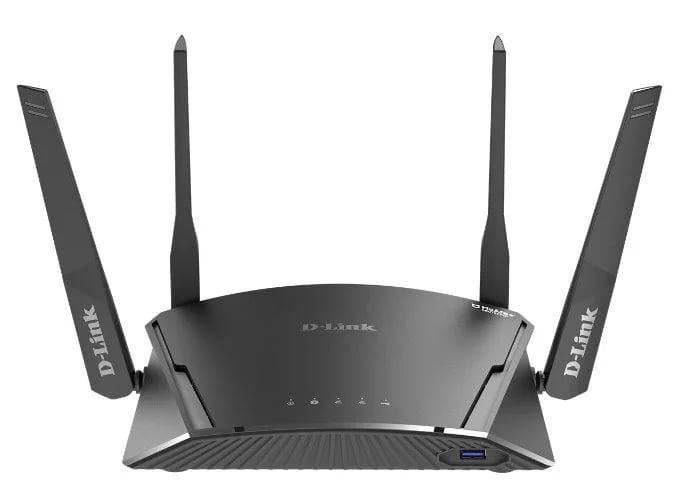
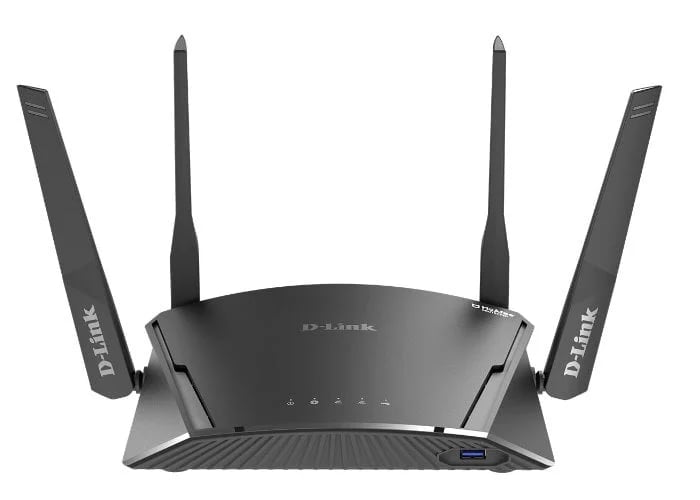
The Federal Communications Commission (FCC) has taken a dramatic step in its ongoing campaign to safeguard U.S. networks. In a move that caught many in the tech industry off guard, the agency announced that all foreign-manufactured routers will now be placed on the Covered List, a designation that effectively prevents new models from being sold in the United States.
This decision stems from a National Security Determination that concluded home and small office routers represent a prime target for foreign cyberattacks. By adding “routers produced in a foreign country” to the Covered List, the FCC has created a barrier that blocks new devices from receiving the necessary equipment authorization to enter the U.S. market.
A Brief History of the Covered List
The Covered List isn’t new. Established in March 2021, it originally targeted companies like Huawei and ZTE, whose telecom equipment was deemed a national security risk. Products from Kaspersky Lab were also banned, reflecting concerns about foreign software embedded deep in American networks. Once a company or product is placed on the list, its presence in U.S. retail channels quickly evaporates.
Now, routers have joined that category. While consumers won’t be forced to abandon devices they already own, the FCC’s ruling ensures that no new foreign-made router models will be approved going forward.
Why Routers Are Considered Risky
Routers sit at the heart of every home and office network, quietly directing traffic between devices and the wider internet. Unfortunately, they’re also notoriously insecure. Many users rarely update firmware, leaving vulnerabilities unpatched for years. Attackers exploit these weaknesses to hijack connections, spy on traffic, or even launch large-scale distributed attacks.
The FCC’s determination cited recent cyber campaigns, Volt Typhoon, Flax Typhoon, and Salt Typhoon, where foreign-produced routers were implicated in attacks against U.S. infrastructure, including energy, transportation, and water systems. The agency concluded that foreign supply chains introduce unacceptable risks, effectively creating “built-in backdoors” for hostile actors.
What the Ban Means in Practice
The FCC clarified that the ruling doesn’t retroactively ban existing devices. Consumers can continue using routers they already own, and retailers may sell previously authorized stock. However, new models manufactured abroad will not be approved, which could reshape the router market dramatically.
This isn’t just a theoretical restriction. When Huawei was first placed on the Covered List, its existing phones and laptops lingered briefly in stores, but over time, retailers cut ties entirely. The same could happen here: without authorization for new models, companies may find it impractical to maintain U.S. distribution.
Industry Impact
The decision raises thorny questions because virtually all routers are manufactured overseas, even those designed by U.S.-based companies. For example:
Netgear and Linksys are headquartered in the U.S., but rely on contract manufacturers in Asia.
TP-Link, founded in China, now has international headquarters in the U.S., but still produces devices in Vietnam.
A TP-Link spokesperson acknowledged the sweeping nature of the FCC’s announcement, noting that “the entire router industry will be impacted.” The company expressed confidence in its supply chain security but welcomed the broader evaluation of industry practices.
Other major players, including Broadcom and Netgear, have yet to issue public statements.
Exemptions and Special Cases
Interestingly, the FCC did carve out a few exemptions under “Conditional Approvals.” These don’t apply to consumer routers, but rather to specialized equipment such as drone control systems from companies like SiFly, Mobilicom, and Verge Aero. The inclusion of these niche products highlights the FCC’s willingness to allow exceptions where national security risks are minimal or manageable.
© 2026 AllComputerss. All rights reserved.