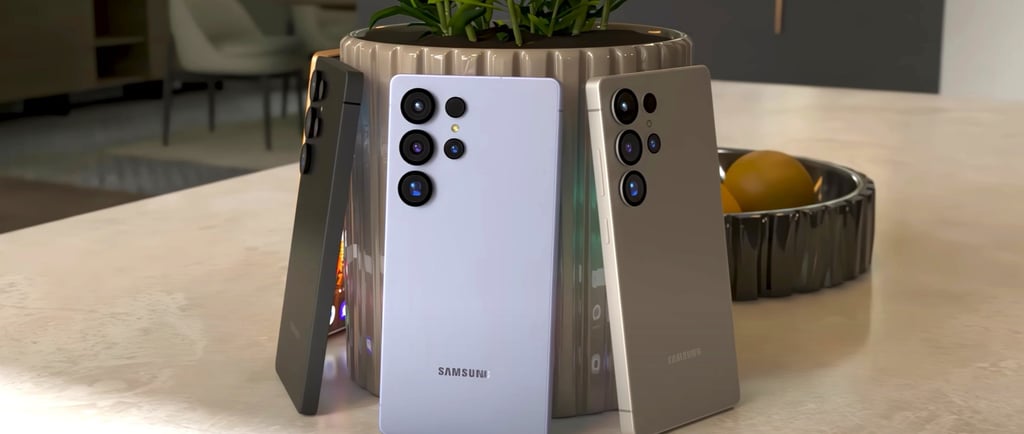
Samsung has always been known for pushing boundaries in smartphone technology. From foldable phones to advanced camera systems, the company has consistently tried to stay ahead of the curve. With the Galaxy S26 Ultra, Samsung introduced a headline feature that sounded like something straight out of a spy movie: a built‑in privacy display. The idea was simple yet bold. With a quick toggle, users could block prying eyes from seeing their screen, making it ideal for commuters, professionals handling sensitive data, or anyone concerned about shoulder surfing.
At first glance, this innovation seemed like a breakthrough. Reviewers praised the concept, and Samsung marketed it as a world‑first feature. However, as real users began to test the phone in everyday scenarios, a different story emerged. Complaints of eye strain, nausea, and dizziness started appearing on Reddit, Samsung’s official forums, and social media platforms. Prominent tech tipsters such as Tarun Vats and Ice Universe also voiced concerns, claiming the display felt uncomfortable compared to the Galaxy S25 Ultra.
This raises an important question: did Samsung prioritize a niche feature at the expense of everyday usability?
How the Privacy Display Works
Samsung’s Privacy Display is powered by what the company calls Flex Magic Pixel technology. Engineers designed the OLED panel with two sets of subpixels: wide and narrow.
Wide pixels behave like traditional pixels, scattering light evenly to maintain brightness and color accuracy across viewing angles.
Narrow pixels are different. They contain microscopic louvers that direct light along a single axis. When the privacy mode is activated, the wide pixels shut off, leaving only the narrow ones illuminated. This prevents light from scattering sideways, so anyone looking at the screen from an angle sees nothing but black.
Samsung added software controls to make the feature more practical. Users can automate privacy mode for specific apps, such as banking or messaging, or set it to activate when entering a PIN. On paper, this sounds like a thoughtful integration of hardware and software.
Why Users Are Complaining
Despite the clever engineering, many early adopters report discomfort. The problem lies in how the screen renders images when both wide and narrow pixels are active. Everyday movements, such as tilting the phone slightly, can cause narrow pixels to disappear from view. When the phone is tilted back, those pixels suddenly reappear, creating what forum users call the “punch effect.”
This sudden change in brightness produces a subtle flicker that forces the eyes to constantly readjust focus. Over time, this can trigger headaches, eye strain, or even nausea. Some users describe the screen as fuzzy compared to previous models, while others say it feels dimmer and less sharp.
Comparing S26 Ultra to S25 Ultra
To understand the backlash, we need to compare the Galaxy S26 Ultra to its predecessor. The Galaxy S25 Ultra was widely praised for its display quality. It featured one of the best anti‑reflective coatings ever seen on a smartphone, making it comfortable to use in bright environments.
By contrast, the S26 Ultra takes a step back. Tests show that it reflects more ambient light than the S25 Ultra, making it harder to see in certain conditions. Brightness has also dropped. According to Android Central, the S26 Ultra is at least 300 nits dimmer at maximum brightness compared to the S25 Ultra.
In side‑by‑side comparisons, the S26 Ultra’s display looks closer to the iPhone 17 Pro Max than to its own predecessor. For a device that costs over two thousand dollars, this is a disappointing downgrade.
Samsung’s Official Response
As complaints grew louder, Tech Advisor reached out to Samsung for comment. The company acknowledged that adjustments to sub‑pixel rendering were made to optimize the privacy feature. Samsung admitted that text edges might appear “different” in enlarged photos but insisted that the overall viewing comfort was not compromised.
Samsung also pointed out that the Galaxy S26 Ultra has the same resolution as the S25 Ultra and suggested that some of the issues reported could be related to moiré patterns when photographing screens. While technically true, this explanation does not fully address the discomfort users are experiencing in real‑world use.
The company’s stance is clear: it believes the privacy display does not negatively affect everyday viewing. However, the mixed feedback suggests that the experience varies from person to person, much like how some people feel nauseous when watching 3D movies while others do not.
Who Really Needs This Feature?
The privacy display is undoubtedly useful for certain groups. Enterprise clients, government officials, and corporate leaders who handle sensitive information may find it invaluable. Shoulder surfing is a genuine security risk in these contexts.
For the average consumer, however, the trade‑off may not be worth it. Most people use their phones to watch videos, read articles, and browse social media. For these tasks, brightness, color accuracy, and sharpness matter far more than privacy. A simple polarized screen protector can achieve similar results without compromising display quality.
The Bigger Picture: Innovation vs. Usability
Samsung’s decision to prioritize privacy over comfort reflects a broader tension in the tech industry. Companies often chase headline‑grabbing innovations to differentiate themselves in a crowded market. Yet, these innovations sometimes come at the expense of usability.
The Galaxy S26 Ultra’s privacy display is reminiscent of the early days of foldable phones. The technology was groundbreaking but not fully refined, leading to durability issues and mixed user experiences. Over time, foldables improved, but early adopters bore the brunt of the shortcomings.
Similarly, the privacy display may evolve into a more polished feature in future models. For now, it feels like a daring but imperfect bet.
Should You Buy the Galaxy S26 Ultra?
If you are intrigued by the privacy display, it is worth testing the phone in person before making a purchase. Some users report no issues at all, while others find the screen uncomfortable. The experience seems highly subjective.
If you suffer from chronic migraines or are sensitive to flickering screens, caution is advised. For everyone else, the Galaxy S26 Ultra remains a powerful device with impressive features, but its display may not live up to the high standard set by the S25 Ultra.
Conclusion
The Galaxy S26 Ultra represents both the promise and the pitfalls of innovation. Samsung deserves credit for attempting something bold and original. The privacy display is a clever piece of engineering and could become a valuable feature in the future. However, the current implementation leaves much to be desired.
For now, the S26 Ultra’s display feels like a step backward compared to the S25 Ultra. The trade‑off between privacy and comfort may not be worth it for most users. As always, early adopters take the risk, and the rest of us can wait to see how Samsung refines the technology in future releases.
References:
© 2026 AllComputerss. All rights reserved.