iOS 27 Hints Strongly at Apple’s First Foldable iPhone
iOS 27 introduces features that strongly hint at Apple’s first foldable iPhone, with resizable apps, hinge-aware code, and expanded widgets pointing to a September 2026 launch.
TECH NEWS
AllComputerss
6/15/20264 min read
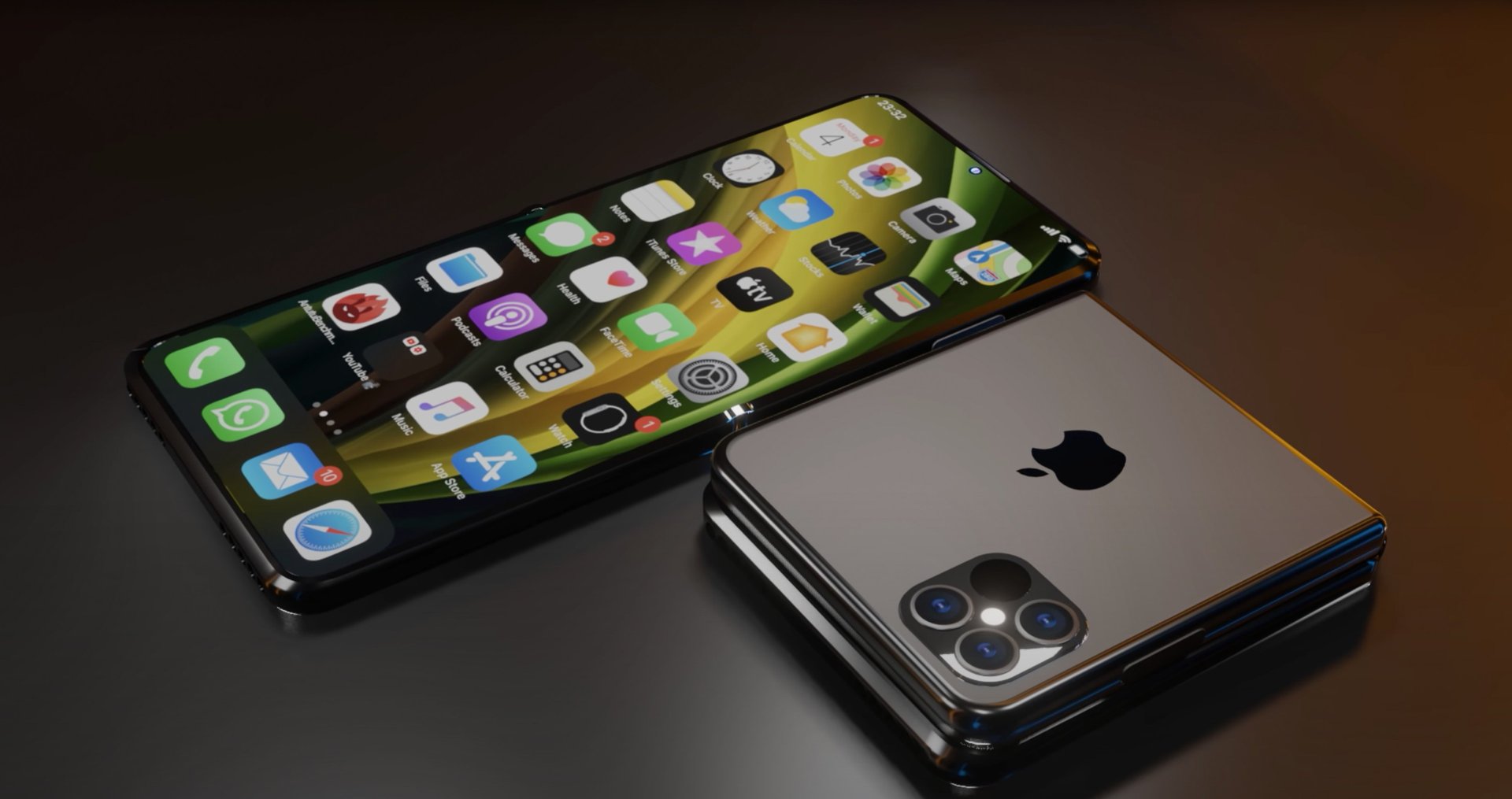
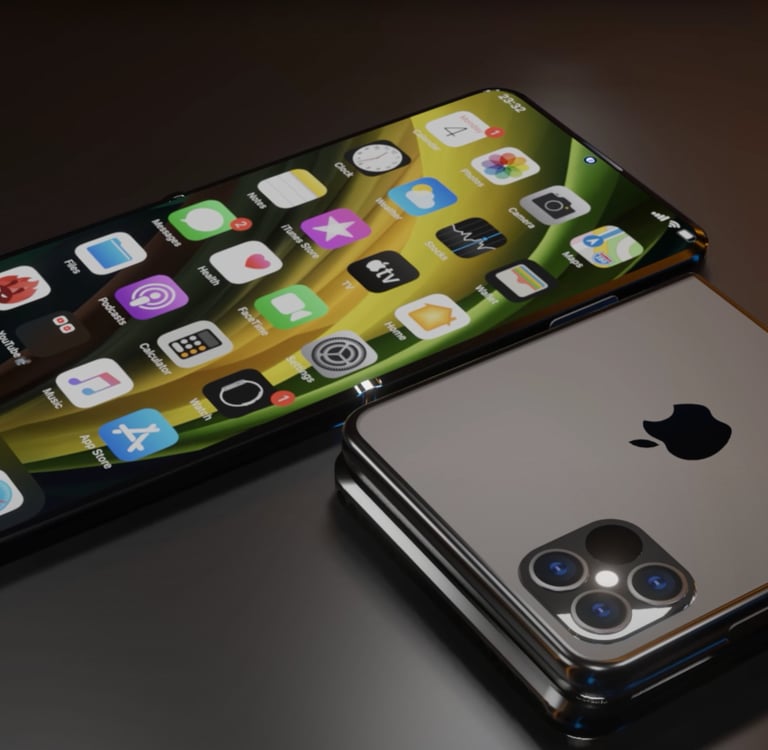
Apple has always played its cards close to the chest when it comes to new hardware. The company never acknowledges rumors until it is ready to unveil a product on stage. Yet, if you look closely at the announcements from WWDC 2026, the signs are hard to ignore. iOS 27 is more than just another software update, it is a roadmap pointing toward Apple’s first foldable iPhone.
The Foldable Rumor Mill
For years, speculation about an “iPhone Fold” has circulated in tech circles. Analysts, leakers, and journalists have suggested that Apple has been quietly experimenting with flexible displays, hinge mechanisms, and new materials. The whispers grew louder in 2026, with Bloomberg’s Mark Gurman reporting that Apple is preparing a book-style foldable device, similar in concept to Samsung’s Galaxy Z Fold 7 and Google’s Pixel 10 Pro Fold. The expected launch window? September 2026, right alongside the iPhone 18 lineup.
What sets Apple’s rumored foldable apart is its ambition to surpass competitors in screen quality and durability. Reports suggest that the crease, a common pain point in foldable phones, will be far less visible. Of course, Apple’s premium pricing strategy means this futuristic iPhone could cost well over $2,000. That price tag would place it firmly in the luxury category, but Apple has never shied away from commanding a premium for innovation.
WWDC 2026: Subtle Clues in Plain Sight
WWDC 2026 was packed with announcements about iOS 27, Siri’s next-generation intelligence, and developer tools. But hidden within the keynote and developer sessions were breadcrumbs that strongly hint at foldable hardware.
Craig Federighi, Apple’s senior vice president of software engineering, introduced a new Device Hub that allows developers to dynamically resize apps and simulate different screen configurations. On the surface, this sounds like a productivity boost for developers. But in reality, it is preparation for devices that break away from the single-screen mold. A foldable iPhone would demand exactly this kind of flexibility.
Later, during the Platforms State of the Union session, Cindy Barrett, senior engineering manager of system experience, emphasized “new ways for iOS apps to adapt across devices and screen sizes.” She explained that developers should stop designing for fixed orientations and instead embrace a “dynamic range of sizes and aspect ratios.” This is not just a casual suggestion, it is a direct signal that Apple wants its ecosystem ready for foldable displays.
iOS 27: Software Built for Flexibility
The developer beta of iOS 27 offers even more evidence. Widgets for apps like Music, News, and Weather can now expand into full-page views. On a standard iPhone, this feels excessive. But on a foldable device with a tablet-like interior display, it makes perfect sense. Apple is clearly optimizing its software for larger, adaptable screens.
Digging deeper, researchers have uncovered code strings in iOS 27 that reference “foldState,” “mechanicalAngleDegrees,” and “angleDegrees.” These terms suggest that the operating system is not only aware of whether a device is folded but can also measure the hinge angle with precision. Such functionality would allow apps to respond intelligently depending on how the device is positioned, half-folded for video calls, fully open for multitasking, or closed for compact use.
Additional references in Apple’s Service Utility point to a secondary display, extra protective glass layers, and ambient light sensors tailored for foldable hardware. These are not speculative features, they are technical necessities for a foldable iPhone.
Developers Are Being Nudged
Apple’s strategy is clear: prepare developers before unveiling the hardware. By encouraging app makers to design for flexible layouts, Apple ensures that when the foldable iPhone arrives, the ecosystem will already be ready. This mirrors Apple’s approach with past innovations, such as the transition to larger iPhone screens and the introduction of Dynamic Island.
In fact, several native apps have already been updated to support landscape modes and widescreen layouts. Music, Reminders, Weather, Podcasts, Fitness, Health, and more now feature sidebars and redesigned interfaces that shine on larger displays. This is not an accident, it is a deliberate move to ensure that Apple’s apps look polished on foldable hardware from day one.
The Market Context
Apple is not entering the foldable race in a vacuum. Samsung has refined its Galaxy Z Fold series over multiple generations, while Google has joined the fray with the Pixel Fold. These devices have proven that foldables can be practical, though they still face challenges with durability, battery life, and software optimization. Apple’s entry will raise the bar, as the company typically waits until technology is mature enough to deliver a polished experience.
The timing is also strategic. With smartphone sales plateauing globally, foldables represent a new frontier for growth. Apple’s loyal customer base, combined with its ecosystem of apps and services, gives it a strong advantage. Even at a premium price, an iPhone Fold could become a status symbol and a must-have device for early adopters.
Consumer Expectations
Not everyone is convinced. In PCMag’s Big Guessing Game poll, nearly 40% of readers doubted that Apple would release a foldable iPhone in 2026. Skepticism is understandable, Apple has avoided rushing into trends. Yet, the mounting evidence suggests that doubters may soon be proven wrong.
Consumers expect Apple to deliver more than just a foldable screen. They want durability, seamless app experiences, and integration with the broader Apple ecosystem. Features like expanded widgets, hinge-aware software, and resizable apps show that Apple is addressing these expectations head-on.
The Bigger Picture
The rumored foldable iPhone is not just about hardware, it is about redefining how people use their devices. Imagine opening your iPhone Fold to read news in full-page widget mode, folding it halfway to watch a video while multitasking, or closing it to slip into your pocket. The possibilities extend beyond novelty; they represent a new way of interacting with technology.
Apple’s focus on developer tools, app flexibility, and system-level support indicates that the company sees foldables as more than a niche experiment. This is a calculated move to shape the future of mobile computing.
Looking Ahead
All signs point to September 2026 as the moment of truth. John Ternus, Apple’s incoming CEO, is expected to take the stage and reveal the company’s next big leap. Whether it is called the iPhone Fold or the iPhone Ultra, the device will mark Apple’s entry into the foldable market.
Until then, Apple will continue to drop hints through software updates, developer sessions, and subtle design changes. The company may not confirm the rumors outright, but the evidence is overwhelming. iOS 27 is not just another update, it is the foundation for Apple’s foldable future.
References:
© 2026 AllComputerss. All rights reserved.