Iranian Hackers Threaten US Infrastructure, Federal Agencies Report Disruptive Effects
A coalition of major US security agencies, including the FBI, CISA, NSA, and others, has issued a joint advisory warning that Iranian‑linked hackers are actively targeting American critical infrastructure. The alert underscores the seriousness of the threat, noting that these operations are not mere
TECH NEWS
AllComputerss
4/8/20262 min read
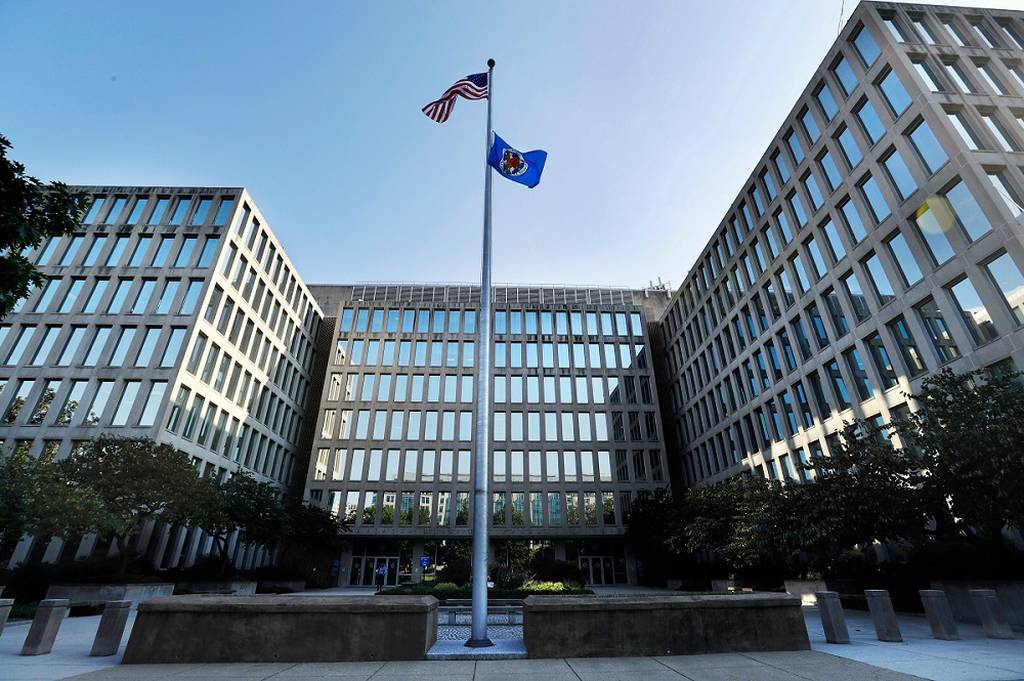
A coalition of major US security agencies, including the FBI, CISA, NSA, and others, has issued a joint advisory warning that Iranian‑linked hackers are actively targeting American critical infrastructure. The alert underscores the seriousness of the threat, noting that these operations are not merely probing networks but attempting to cause disruptions with real‑world consequences.
What the Advisory Revealed
According to the agencies, the attackers are exploiting internet‑connected operational technology (OT) devices, particularly programmable logic controllers (PLCs) manufactured by Rockwell Automation/Allen‑Bradley. These devices are widely used in industrial environments to control machinery, water treatment systems, and energy distribution.
The advisory explains that malicious actors manipulated project files and data displayed on human‑machine interfaces (HMIs) and SCADA systems, leading to disruptions in multiple sectors. In some cases, these intrusions caused operational downtime and financial losses.
Who Was Targeted
While the advisory did not name specific victims, it highlighted several sectors under attack:
Government services and facilities, including local municipalities
Water and wastewater systems (WWS)
Energy infrastructure, such as power generation and distribution
A recent report from The Record noted that a water treatment plant in Minot, North Dakota suffered a ransomware incident last week. Though unconfirmed, analysts suspect the attack may be linked to the broader Iranian campaign.
CyberAv3ngers and the IRGC Connection
The agencies stopped short of naming the group behind the latest wave of attacks. However, they pointed to similarities with past operations conducted by CyberAv3ngers, also known as the Shahid Kaveh Group. This group is believed to be affiliated with Iran’s Islamic Revolutionary Guard Corps (IRGC) Cyber Electronic Command (CEC).
CyberAv3ngers has a history of targeting industrial control systems, often aiming to disrupt essential services rather than simply steal data. Their fingerprints on these attacks suggest a continuation of Iran’s strategy of leveraging cyber operations as a form of asymmetric warfare.
Geopolitical Context
The timing of the attacks is significant. Since March 2026, Iranian cyber activity has intensified, likely in response to ongoing military conflict. US and Israeli forces have reportedly struck Iranian infrastructure, including nuclear facilities, petrochemical plants, railways, and bridges. The cyber campaigns appear to be retaliatory, designed to inflict disruption on American systems in return.
Why This Matters
These incidents highlight the vulnerability of critical infrastructure in the US. Unlike traditional IT systems, OT devices often run legacy software, are difficult to patch, and are directly tied to physical processes. A successful compromise can lead to water contamination, power outages, or other public safety risks.
The advisory stresses that organizations must:
Audit and secure OT devices connected to the internet
Monitor for unusual activity in SCADA and HMI systems
Implement strict access controls and network segmentation
Prepare incident response plans tailored to industrial environments
Final Thoughts
The warning from US agencies is not just about one group or one campaign. It reflects a broader reality: nation‑state adversaries are increasingly blending cyber operations with geopolitical conflict, targeting the systems that keep societies running.
For organizations in water, energy, and municipal services, vigilance is no longer optional. The attacks attributed to Iranian‑linked actors show that disruption, not data theft, is the goal — and the consequences can ripple far beyond the digital realm.
© 2026 AllComputerss. All rights reserved.