Iran’s Charming Kitten Hackers Revive Cold War Tactics to Breach Apple and Windows Systems
At the center of this activity is Charming Kitten, a group tied to Iran’s intelligence apparatus. For years, they have targeted government officials, academics, journalists, and corporate employees.
TECH NEWS
AllComputerss
4/6/20262 min read
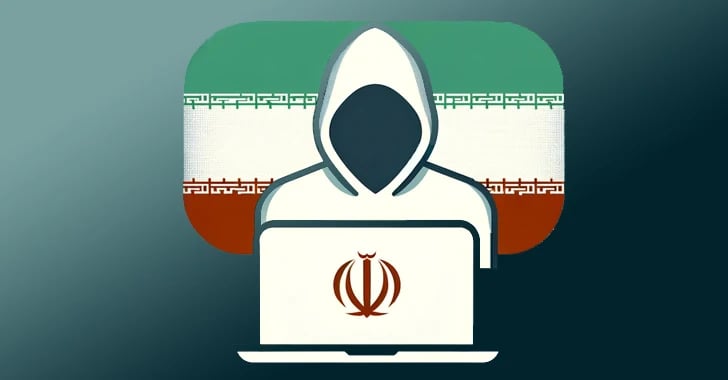
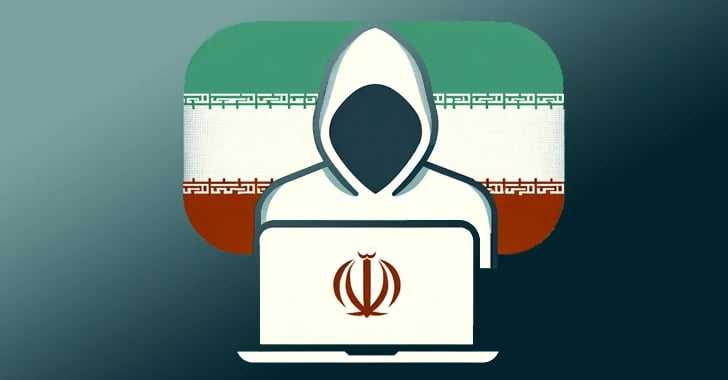
Cybersecurity experts are once again turning their attention to Iran‑linked operations, not because of cutting‑edge exploits or sophisticated malware, but because of something far more human: manipulation. These campaigns reveal that in the digital battlefield, the most effective weapon is often trust, and the ability to exploit it.
Charming Kitten: A Persistent Threat
At the center of this activity is Charming Kitten, a group tied to Iran’s intelligence apparatus. For years, they have targeted government officials, academics, journalists, and corporate employees. Their approach is strikingly different from the stereotype of hackers hammering away at code. Instead, they impersonate trusted contacts, craft convincing emails, and lure victims into handing over credentials or installing malware.
Cold War Tactics in a Digital Age
The methods echo classic Cold War espionage. Rather than brute‑forcing systems, Charming Kitten builds fake online identities, sometimes posing as credible professionals, sometimes as attractive personalities, to establish trust. Once rapport is built, phishing attacks follow.
This strategy allows them to compromise both Apple macOS and Microsoft Windows environments, proving that platform diversity offers little protection when the entry point is human error.
Insider Threats and Trade Secret Theft
Beyond external deception, investigators warn of insider risks. A high‑profile case involving members of the Ghandali family alleges trade secret theft from major firms, including Google. Sensitive data on processor security and cryptography was reportedly siphoned off over time.
Ex‑counterintelligence officials describe the method as “slow, deliberate extraction,” sometimes as low‑tech as photographing computer screens to avoid detection. This underscores a sobering reality: insider access can bypass even the most advanced cybersecurity defenses.
A Layered Intelligence Framework
Analysts argue that these operations are part of a broader Iranian intelligence strategy. It combines:
Recruitment of insiders
Online reconnaissance and phishing campaigns
Procurement channels for sensitive technology
Former officials even rank Iran as the third most sophisticated cyber adversary, behind only the largest global powers. For years, its capabilities were underestimated, but recent campaigns show a layered, persistent approach.
Dual Objectives: External and Internal
Iran’s cyber operations aren’t limited to stealing trade secrets or targeting foreign governments. The same networks are used to monitor dissidents abroad, blending external competition with internal control. This dual focus complicates assessments of intent, are these campaigns about economic advantage, military readiness, or suppressing opposition? In reality, they serve all three.
Cases like that of Monica Witt, a former U.S. intelligence officer who defected to Iran, highlight how insider cooperation can magnify the threat.
Staying Safe Against Espionage and Phishing
For individuals and organizations, defense requires a layered approach:
Verify identities before sharing credentials or sensitive information.
Use strong, unique passwords and enable multi‑factor authentication.
Keep antivirus software updated and maintain an active firewall.
Deploy malware detection tools to catch suspicious activity early.
Ultimately, the lesson is clear: technology alone cannot stop espionage. Vigilance, skepticism, and awareness are just as critical as firewalls and encryption.
© 2026 AllComputerss. All rights reserved.