Microsoft Surface Laptop 8 and Surface Pro 12 Debut With Snapdragon X2 Power
Microsoft unveils the Surface Laptop 8 and Surface Pro 12, powered by Snapdragon X2 processors, delivering faster graphics, longer battery life, and premium design for modern workflows.
TECH NEWS
AllComputerss
6/16/20264 min read
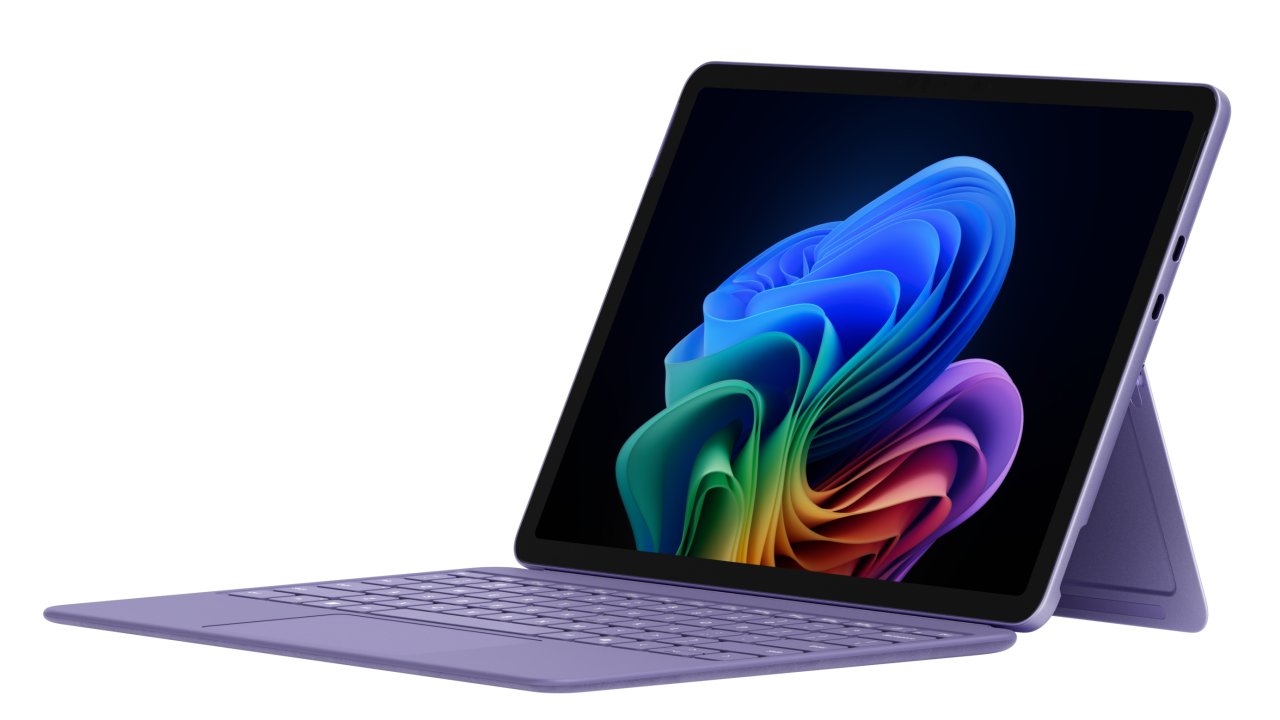
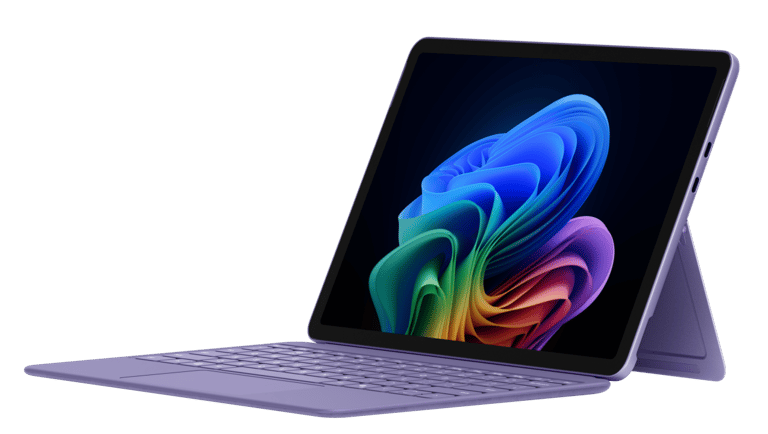
Microsoft has officially unveiled the next generation of its Surface lineup, bringing the Surface Laptop 8 and Surface Pro 12 into the spotlight. Both devices are powered by Qualcomm’s Snapdragon X2 processors, marking a significant step forward from the Snapdragon X1 chips that debuted in 2024. These new machines are designed to push performance, battery life, and flexibility further, while also reflecting Microsoft’s broader vision for Copilot Plus PCs and Windows on Arm.
A Leap in Performance
The Surface Pro 12th Edition arrives with a 13-inch display and offers configurations with either the 10-core Snapdragon X2 Plus or the 12-core Snapdragon X2 Elite. The Surface Laptop 8th Edition comes in two sizes, 13.8 inches and 15 inches, with the same processor options. Microsoft claims that the new chips deliver up to 53 percent faster graphics performance on the Pro and up to 58 percent faster graphics on the Laptop compared to the previous generation. These improvements are aimed at users who demand smooth multitasking, creative workflows, and AI-driven applications.
Battery life has also been enhanced. The Surface Pro promises up to 15.5 hours of local video playback, while the Surface Laptop stretches that figure to 20 hours on the 13.8-inch model and 19 hours on the 15-inch version. These numbers suggest that Microsoft is balancing raw power with efficiency, ensuring that users can rely on their devices throughout the day without constantly reaching for a charger.
Pricing and Configurations
The new lineup comes at a higher cost than its predecessors. The Surface Pro starts at $1,499 with 256GB of storage, while the Surface Laptop begins at $1,599 with a 512GB SSD. Both devices include 16GB of RAM in their base models, with options to scale up to 64GB of memory and as much as 2TB of storage. These prices are roughly $100 higher than the last generation, reflecting both the upgraded hardware and the ongoing impact of rising memory and storage costs across the PC industry.
Microsoft is also preparing commercial versions of these devices, set to launch on July 14. The Surface for Business models will start at $1,649.99, slightly higher than the consumer versions but still more affordable than the Intel Panther Lake Surface for Business models, which begin at $1,949.99.
Design and Display Options
While the overall design remains familiar, Microsoft has introduced new color choices. The Surface Laptop 13.8-inch model is available in jade and dune, while the Surface Pro comes in dune with a matching Flex Keyboard. The Surface Pro also offers an optional OLED display, delivering deeper blacks, higher contrast, and more accurate colors. The Surface Laptop continues to use LCD panels but now features sharper resolution on the 15-inch model, jumping from 201 PPI to 262 PPI.
Both devices retain the 3:2 aspect ratio that has become a hallmark of the Surface line, providing more vertical screen space for productivity. Ports remain unchanged, including the Surface Connect magnetic charging port, although Microsoft has confirmed that this port will not be included on the upcoming Surface Laptop Ultra.
Cameras and Connectivity
Webcams have long been a weak point for Surface devices, but Microsoft is addressing this with improved cameras across the new lineup. The Surface Pro now features a 1440p Quad HD camera with an ultrawide field of view, designed to deliver clearer video calls and natural framing. The Surface Laptop also boasts one of the highest-rated laptop cameras, earning recognition from DXOMARK.
Connectivity remains robust, with support for modern wireless standards and integration with Microsoft’s Copilot Plus features. Dedicated NPU silicon ensures that AI workloads can run locally when needed, while cloud connectivity allows for hybrid workflows that move seamlessly between device and cloud.
AI and Productivity
Microsoft is positioning these devices as tools for the AI-driven future. With Snapdragon X2 processors and integrated NPUs, the Surface Laptop 8 and Surface Pro 12 are designed to handle on-device inference, cloud-scale processing, and hybrid workflows. This means users can run AI models locally for speed and privacy, while still tapping into the cloud for larger tasks.
The devices also feature subtle haptic feedback across the touchpad and Slim Pen, enhancing the user experience by making interactions feel more precise and responsive. Microsoft has partnered with Affinity to pre-install professional-grade design, photo, and publishing tools, ensuring that creative professionals can take full advantage of the hardware from the moment they sign in.
Sustainability and Repairability
Microsoft continues to emphasize sustainability in its Surface lineup. The new devices are built with 100 percent recycled aluminum enclosures, reducing reliance on virgin materials. They are also certified by ENERGY STAR, outperforming efficiency baselines by at least 50 percent. In addition, Microsoft has introduced a new Surface Repair Tool that provides guided workflows for repairing components such as the battery, display, touchpad, and motherboard. This focus on repairability reflects a growing industry trend toward extending device lifespans and reducing electronic waste.
Market Context
The launch of the Surface Laptop 8 and Surface Pro 12 comes at a time when the PC industry is grappling with rising component costs driven by AI demand. Gartner recently reported a 4 percent increase in worldwide PC shipments year over year, but much of that growth was due to companies stockpiling inventory ahead of further price increases rather than surging consumer demand. Microsoft’s decision to raise prices reflects these market pressures, though it risks making Surface devices less competitive compared to rivals offering lower-cost alternatives.
Looking Ahead
Later this year, Microsoft plans to release the Surface Laptop Ultra, which will feature Nvidia’s RTX Spark graphics and target developers and creative professionals who need maximum performance. The company is also preparing the Surface RTX Spark Dev Box, a new category of hardware designed specifically for AI developers requiring sustained local compute power. These upcoming products suggest that Microsoft is expanding the Surface brand to cover everything from entry-level devices to ultra-premium machines.
Conclusion
The Surface Laptop 8 and Surface Pro 12 represent Microsoft’s latest effort to balance performance, design, and innovation in a competitive PC market. With Snapdragon X2 processors, improved graphics, longer battery life, and enhanced cameras, these devices are built to meet the demands of modern workflows. At the same time, higher prices and limited design changes may leave some consumers questioning whether the upgrades justify the cost. Still, for professionals and enthusiasts who value performance, flexibility, and integration with Microsoft’s ecosystem, the new Surface lineup offers a compelling option.
Reference:
© 2026 AllComputerss. All rights reserved.