The countdown to ‘Q-Day’: Google says encryption may break by 2029
The race toward quantum computing is accelerating at a pace that few anticipated, and Google now believes the world may face the long-feared “Q-Day” as early as 2029.
TECH NEWS
AllComputerss
3/26/20262 min read
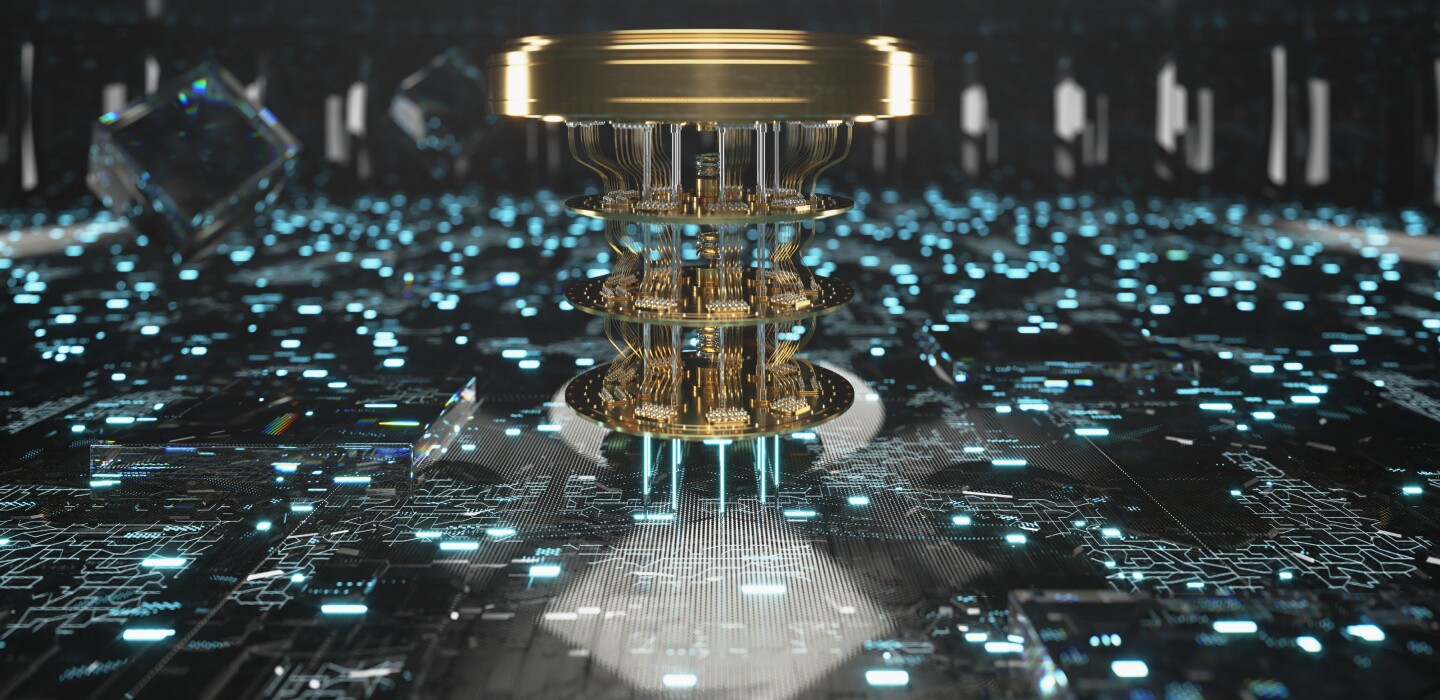
The race toward quantum computing is accelerating at a pace that few anticipated, and Google now believes the world may face the long-feared “Q-Day” as early as 2029. Heather Adkins, Google’s Vice President of Security Engineering, recently sounded the warning in a blog post on The Keyword, stressing that the timeline for preparing our digital infrastructure is shrinking.
What Exactly Is Q-Day?
“Q-Day,” short for Quantum Day, refers to the moment when quantum computers become powerful enough to break through today’s widely used encryption methods. These algorithms, RSA and Elliptic Curve Cryptography (ECC), form the backbone of digital security, protecting everything from online banking transactions to government communications. If quantum machines reach this threshold, the encryption shielding sensitive data could collapse overnight, leaving financial institutions, public agencies, and private companies exposed to unprecedented risks.
Why the Timeline Matters
Until recently, many experts assumed that Q-Day was decades away. The U.S. National Security Agency (NSA) had set its sights on deploying quantum-resistant cryptography by 2031, a timeline that seemed cautious but achievable. Google’s updated forecast, however, suggests that this deadline may be dangerously optimistic. If quantum computers reach the necessary scale by 2029, the NSA and other organizations will need to accelerate their efforts by at least two years to avoid a global security crisis.
The Push for Post-Quantum Cryptography
The most promising defense against Q-Day lies in post-quantum cryptography (PQC), a new generation of encryption algorithms designed to withstand attacks from quantum computers. Unlike RSA and ECC, PQC methods are built on mathematical problems that remain difficult even for quantum machines. Transitioning to PQC will require sweeping changes across the digital ecosystem, from operating systems and browsers to enterprise software and cloud platforms.
Google has already announced that PQC integration will begin with Android 17, scheduled for release in June. This marks one of the first major steps toward embedding quantum-resistant security into consumer technology, signaling that the company is serious about preparing for the quantum era.
A Global Challenge
The implications of Q-Day extend far beyond Google or the NSA. Banks, healthcare providers, governments, and everyday users all rely on encryption to keep data safe. A sudden breakdown of these systems could disrupt economies, compromise national security, and erode trust in digital platforms. Preparing for this future requires international cooperation, rapid adoption of PQC standards, and a willingness to overhaul legacy systems before it’s too late.
Looking Ahead
Quantum computing promises extraordinary breakthroughs in science, medicine, and technology, but it also poses one of the greatest cybersecurity challenges of our time. With Google warning that Q-Day could arrive by 2029, the countdown has effectively begun. The question is no longer if quantum computers will break encryption, but when. And according to Google, the world has less than five years to get ready.
© 2026 AllComputerss. All rights reserved.