The Facebook ‘Profile View’ Scam Has Returned. Avoid Clicking It
Discover how the Facebook “Profile View” scam resurfaced in March 2026, tricking users with phishing links and fake login pages. Learn how fact‑checkers, tech media, and Meta responded, and get practical tips to protect your account from this persistent social media fraud.
TECH NEWS
AllComputerss
3/15/20264 min read
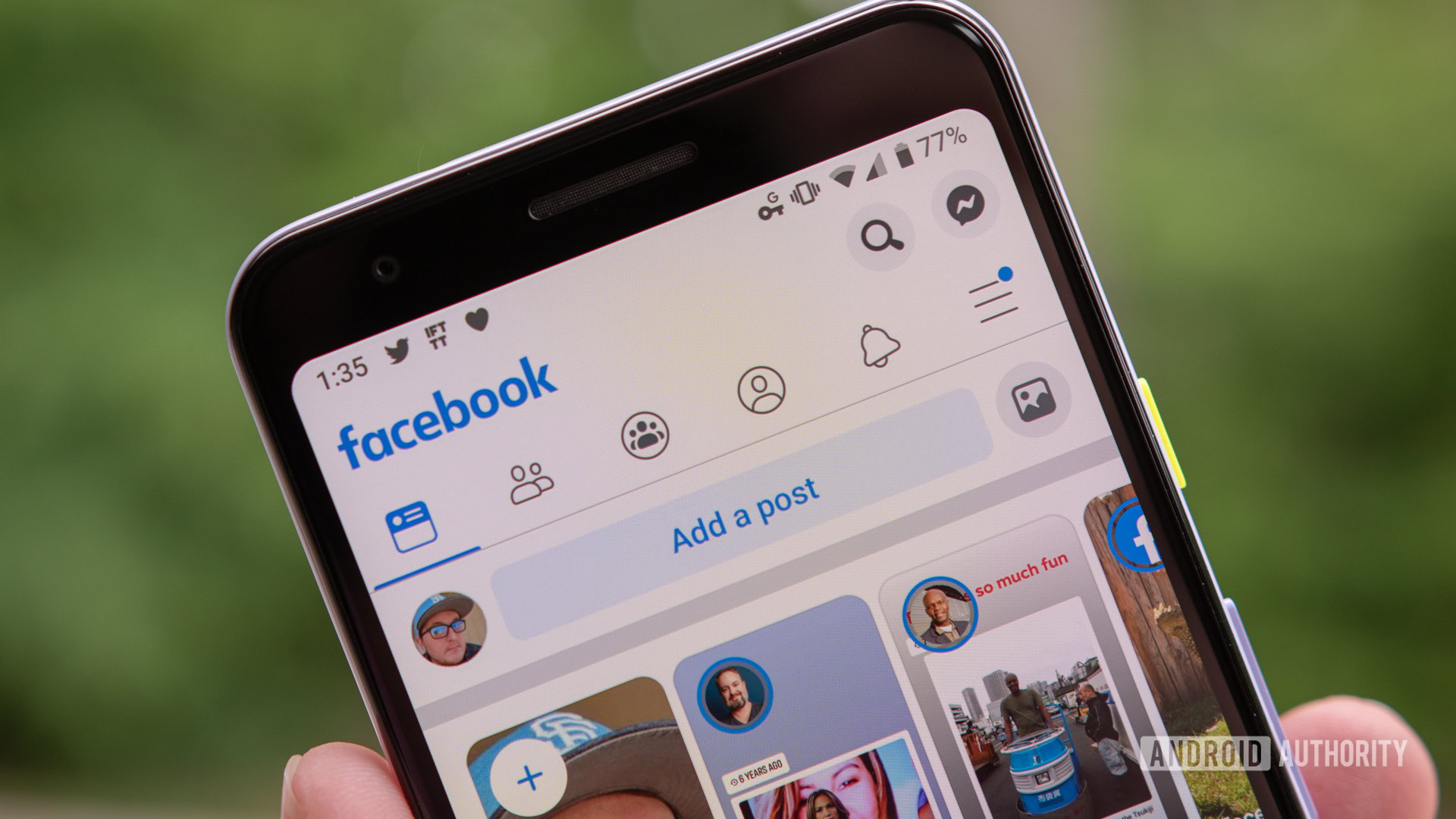

For more than a decade, Facebook users have been haunted by a recurring scam that preys on curiosity. It is the infamous “Profile View” trick, a fraudulent scheme that promises to reveal who has been looking at your profile. In March 2026, this scam resurfaced with renewed intensity, spreading across feeds and groups, and once again luring unsuspecting users into a trap. Despite countless warnings over the years, many people still fall victim to it. This article explores how the scam works, why it continues to thrive, and what steps you can take to protect yourself.
The Allure of Curiosity
Human curiosity is a powerful motivator. Social media thrives on it, and scammers know this well. The idea of discovering who has been secretly viewing your profile is irresistible to many. It taps into a mix of vanity, insecurity, and intrigue. Unfortunately, Facebook has never offered such a feature. The platform has consistently stated that there is no way to see who visits your profile. Yet, scammers exploit this desire by creating fake tools and links that claim to provide this information.
How the Scam Works
In March 2026, posts began circulating with enticing messages such as “Find out who viewed your profile today” or “See your secret admirers now.” These posts often included links to domains like bildnachricht.com, which masqueraded as legitimate services. Once users clicked, they were redirected to a page that mimicked Facebook’s login screen. The goal was simple: trick people into entering their credentials. Once submitted, the information was stolen, giving scammers access to the victim’s account.
From there, the scam snowballed. Compromised accounts were used to spread the same fraudulent posts to friends and groups, creating a chain reaction. Victims often did not realize their accounts had been hijacked until strange activity appeared, such as unauthorized messages or posts.
Warnings from Fact-Checkers
Austrian fact-checking organization Mimikama played a crucial role in exposing the scam in March 2026. They published a detailed analysis confirming that the so-called “Profile Viewer” was fake. According to their report, the link led directly to a phishing page designed to harvest Facebook login details. Mimikama emphasized that they had been warning about this scam since 2011, highlighting its persistence and adaptability. Their message was clear: do not trust any service that claims to reveal who viewed your profile.
Media Coverage
Technology outlets also picked up the story. PCWorld, through its German partner PC-WELT, reported on March 17, 2026, that the scam was spreading rapidly. They explained how the fraudulent posts redirected users to phishing sites and reiterated Facebook’s official stance that no such feature exists. The coverage helped raise awareness among a broader audience, especially those who might not follow fact-checking organizations directly.
Facebook’s Response
Around the same time, Meta’s Newsroom published an announcement on March 11, 2026, outlining new anti-scam measures. While the company did not name the “Profile View” scam specifically, it described phishing tactics involving deceptive links and impersonation domains. Meta stated that it was working with law enforcement and cybersecurity partners to combat these schemes. The timing of the announcement aligned with the resurgence of the scam, suggesting that Meta was aware of the issue and taking steps to address it.
Why the Scam Persists
The longevity of the “Profile View” scam raises important questions. Why does it keep coming back? Several factors contribute to its persistence:
Curiosity never fades: The desire to know who is watching us is timeless. Scammers exploit this psychological trigger repeatedly.
Low awareness: Despite years of warnings, many users remain unaware that Facebook does not offer this feature.
Rapid spread: Once an account is compromised, the scam spreads quickly through friends and groups, creating a viral effect.
Adaptability: Scammers change domains and presentation styles to bypass detection. Even when one site is shut down, another appears.
Global reach: Facebook’s massive user base ensures that even a small percentage of victims translates into millions of compromised accounts.
The Human Cost
Falling victim to the scam can have serious consequences. Stolen credentials may be used to access private messages, photos, and personal information. In some cases, scammers use compromised accounts to launch further attacks, such as spreading malware or conducting financial fraud. Victims often experience embarrassment and frustration, especially when friends receive spam messages from their accounts.
Protecting Yourself
The best defense against scams like this is awareness. Here are practical steps you can take:
Never trust “Profile View” claims: Facebook does not offer this feature. Any post or link claiming otherwise is fraudulent.
Check the domain: Look carefully at the web address before entering your login details. Phishing sites often use deceptive domains.
Enable two-factor authentication: This adds an extra layer of security, making it harder for scammers to access your account even if they steal your password.
Report suspicious posts: Use Facebook’s reporting tools to flag scams. This helps reduce their spread.
Stay informed: Follow fact-checking organizations like Mimikama and reputable tech outlets for updates on emerging scams.
Lessons from 2026
The resurgence of the “Profile View” scam in March 2026 is a reminder that old tricks can resurface with new energy. It shows that cybersecurity is not just about advanced threats but also about persistent, simple schemes that exploit human psychology. The fact that this scam has been around for more than a decade underscores the importance of continuous education and vigilance.
Conclusion
The Facebook “Profile View” scam is a classic example of how curiosity can be weaponized. Despite repeated warnings, it continues to ensnare users who hope to uncover hidden information about their social interactions. In March 2026, the scam returned with phishing sites like bildnachricht.com, prompting warnings from Mimikama, coverage from PCWorld, and a broader response from Meta. The lesson is clear: stay skeptical, protect your credentials, and remember that if something sounds too good to be true, it probably is.
References
PCWorld via PC-WELT. “Facebook Profile View Scam Resurfaces.” March 17, 2026. The 'See who viewed your profile' Facebook scam is back. Don't click it! | PCWorld
Mimikama. “Profile Viewer Scam Fact-Check.” March 16, 2026. Phishing Versuch! Finger weg vom "Profile Viewer"
© 2026 AllComputerss. All rights reserved.