Windows 11 Update Shuts Down Secret NVMe Speed Hack
Until then, Windows 11 updates will keep rolling out with their usual mix of new features, UI tweaks, and nudges toward Copilot integration, while one of the most exciting hidden tricks quietly fades into history.
PC
AllComputerss
3/24/20262 min read
For years, Windows power users have relied on registry tweaks as a way to unlock hidden features or squeeze out extra performance. These tweaks aren’t inherently dangerous, but they do require a careful hands on wrong change that can destabilize your system. That’s why they have always been considered the domain of enthusiasts who know exactly what they’re doing.
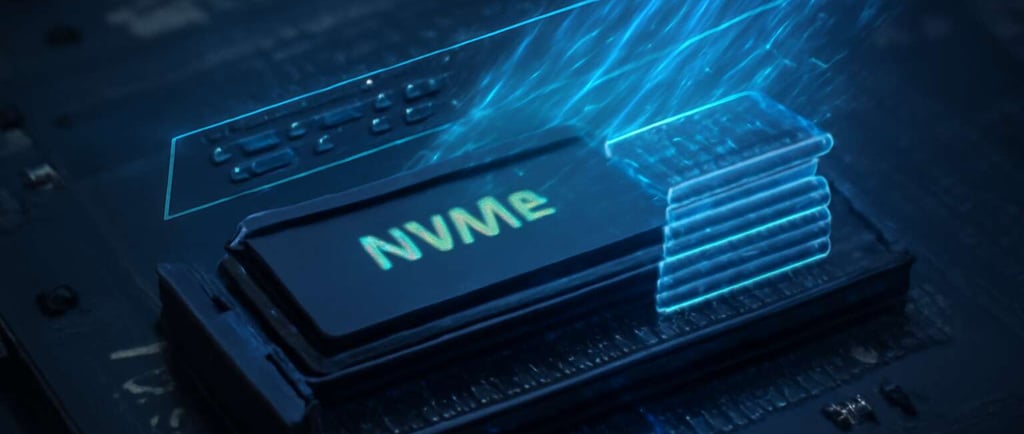
One particular tweak recently gained attention among users with NVMe storage drives. By flipping a registry key, it was possible to bypass the standard translation layer and enable Microsoft’s native NVMe driver directly. This wasn’t some underground hack, it’s a legitimate feature introduced in Windows Server 2025, designed to deliver massive improvements in storage performance. Microsoft’s own documentation claimed up to 80% higher IOPS and noticeably reduced CPU usage. For anyone running heavy workloads or simply chasing faster benchmarks, it was a tantalizing discovery.
The catch? This driver wasn’t meant for Windows 11. Yet the option existed in the registry, and for several months, adventurous users were able to activate it manually. The results were impressive, but short-lived. With the latest Windows 11 update, that backdoor appears to have been closed. Reports from the My Digital Life forums and coverage by Neowin suggest that the tweak no longer works, leaving enthusiasts frustrated.
Why would Microsoft shut it down? The most likely explanation is compatibility. While the native driver boosted raw performance, it also introduced side effects. Tools like Samsung Magician stopped functioning correctly, and there were concerns about potential conflicts with BitLocker encryption. In other words, the tweak may have been too risky for mainstream use, even if it thrilled the performance-hungry crowd.
That doesn’t mean all hope is lost. Storage performance remains a hot topic, especially as NVMe drives continue to rise in price. Users will undoubtedly keep searching for workarounds, and Microsoft could eventually bring the native driver to Windows 11 in a more official capacity. For now, though, the registry shortcut is gone, and enthusiasts will have to wait for Redmond to decide whether everyday users should have access to the same speed boost that’s already available on the server side.
Until then, Windows 11 updates will keep rolling out with their usual mix of new features, UI tweaks, and nudges toward Copilot integration, while one of the most exciting hidden tricks quietly fades into history.
© 2026 AllComputerss. All rights reserved.